


Best Materials for Women’s Leggings Explained: Choosing the Ideal Fabric for Comfort and Performance
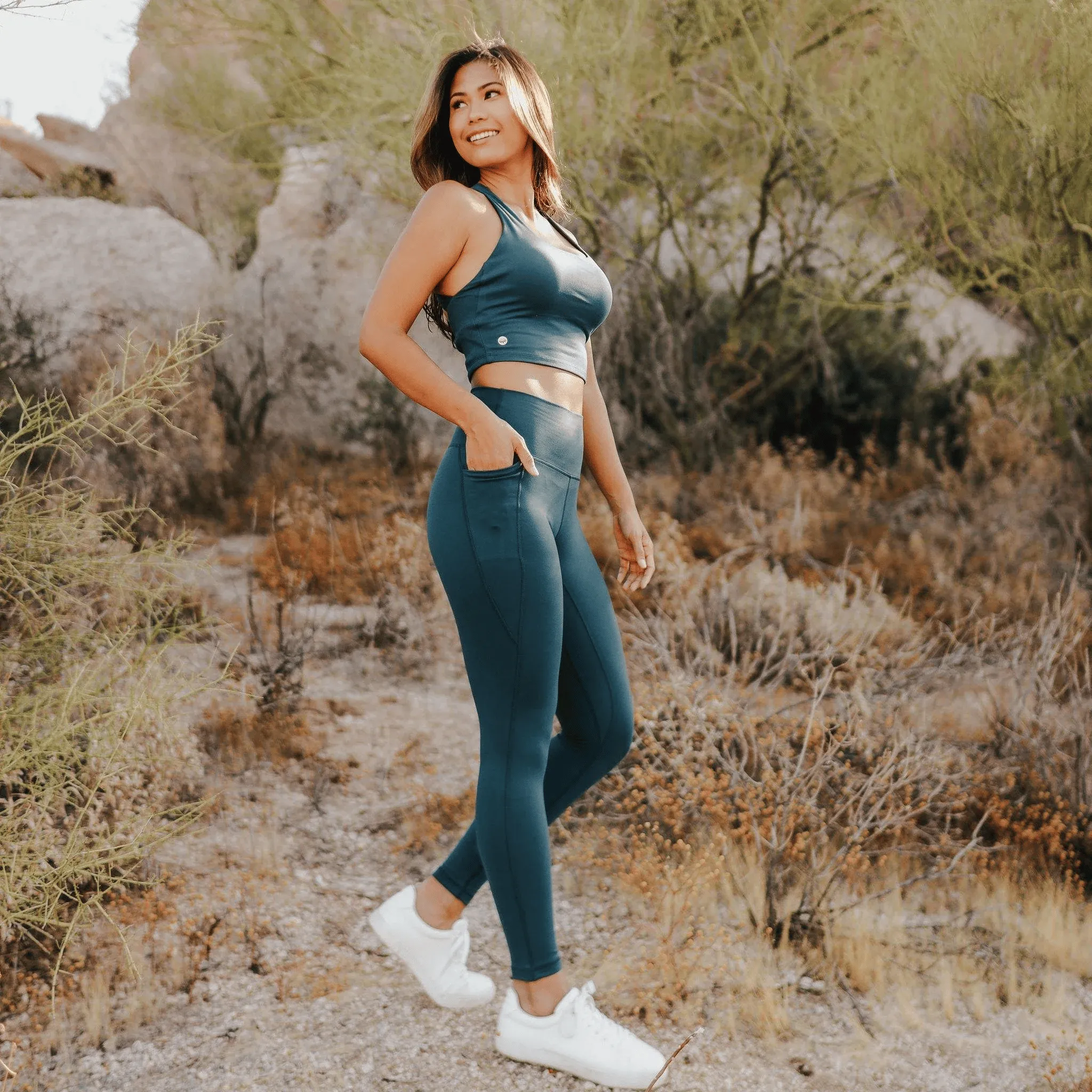
Finding that perfect pair of leggings can feel like a huge win. We’ve all dealt with leggings that slide down mid-run, feel weirdly tight in a deep stretch, or—worst of all—turn out to be not quite as opaque as we hoped. At Senita Athletics, we believe your activewear should support how you move, without getting in the way.
Choosing the right fabric is the first step toward that kind of stress-free wear. Whether you’re chasing a new personal best, squeezing in a workout between errands, or heading out for a casual coffee run, the fabric of your leggings plays a big role in how you feel throughout the day. This guide breaks down the most common legging materials, from performance-driven synthetics to soft, breathable natural blends, so you can find what works best for your favorite activities and move with confidence.
What Defines the Best Materials for Women’s Leggings?
Great leggings tend to share a few key qualities that make them comfortable, reliable, and easy to wear again and again. Think of these as the non-negotiables when you’re deciding what deserves a spot in your drawer:
- Stretch: This is what lets you move freely, whether you’re flowing through yoga or picking up the pace on a run.
- Breathability: Helps air circulate so you don’t overheat halfway through your workout.
- Moisture-wicking: Pulls sweat away from your skin to keep you dry and comfortable.
- Durability: Quality fabrics should hold their shape and performance, wash after wash.
- Squat-proof: Designed to stay opaque, so you never have to worry about see-through moments mid-lunge.
Fabric choice matters more than most people realize. Research into sports textiles shows that the structure and makeup of a fabric directly affect comfort and performance. That’s why activewear so often relies on synthetic fibers like polyester, nylon, and spandex—they’re built specifically to handle sweat, stretch, and movement.
The Science of Staying Dry and Covered
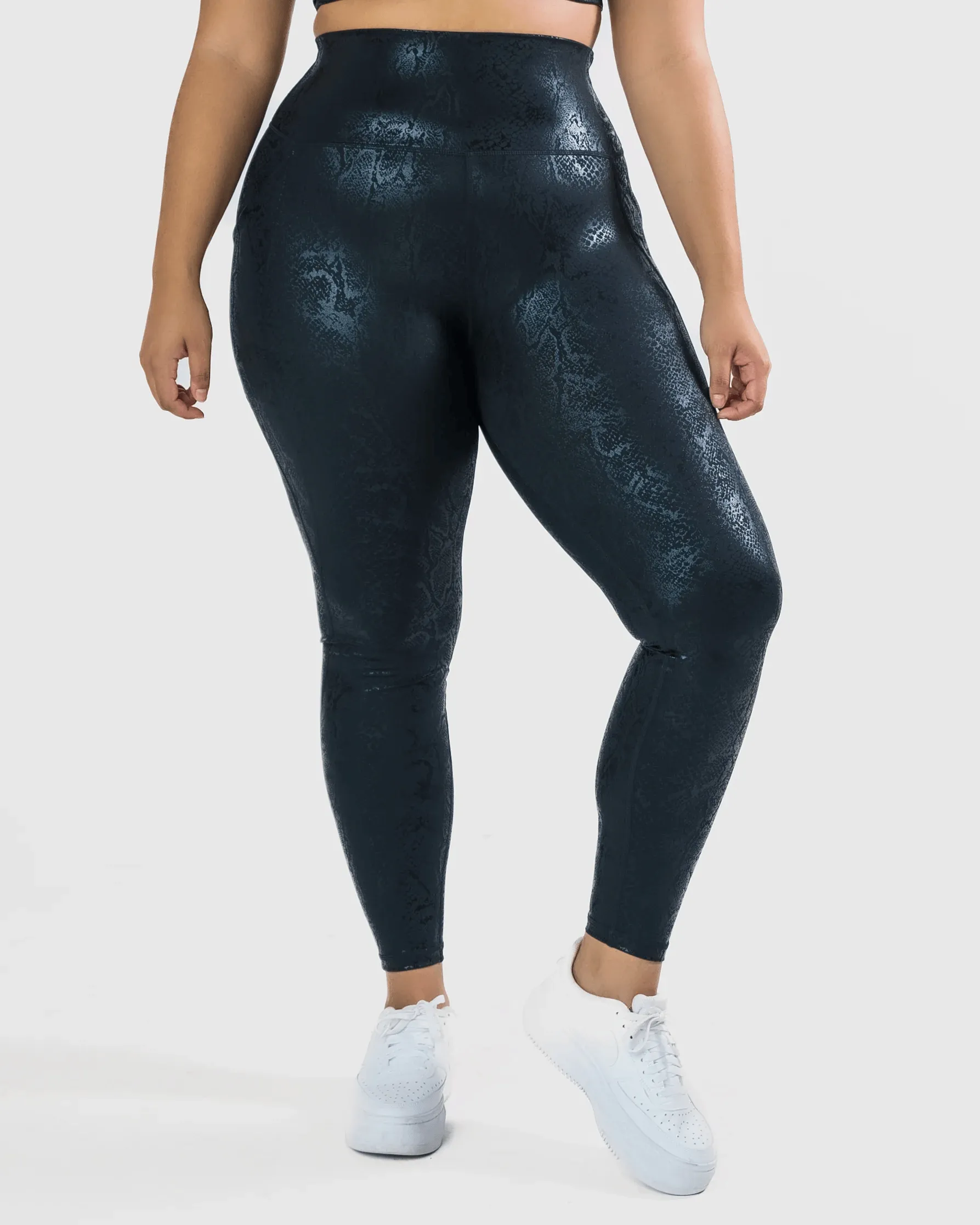
Technical fabrics work by moving moisture away from your skin and spreading it across the surface of the fabric, where it can evaporate more quickly. The result? Less cling, less distraction, and a much more comfortable workout.
Squat-proof construction plays a big role in confidence, too. At Senita, our bottoms go through wear testing to make sure they meet our standards for opacity and durability. The goal is simple: you focus on your workout, not on checking your leggings.
Which Synthetic Fabrics Are Best for Women’s Leggings?
Synthetic fabrics are the go-to for performance activewear because they’re designed to solve real problems—like sweat, stretch, and support. The most common options are nylon, polyester, and spandex blends, each with its own strengths.
The Benefits of Nylon-Spandex Blends
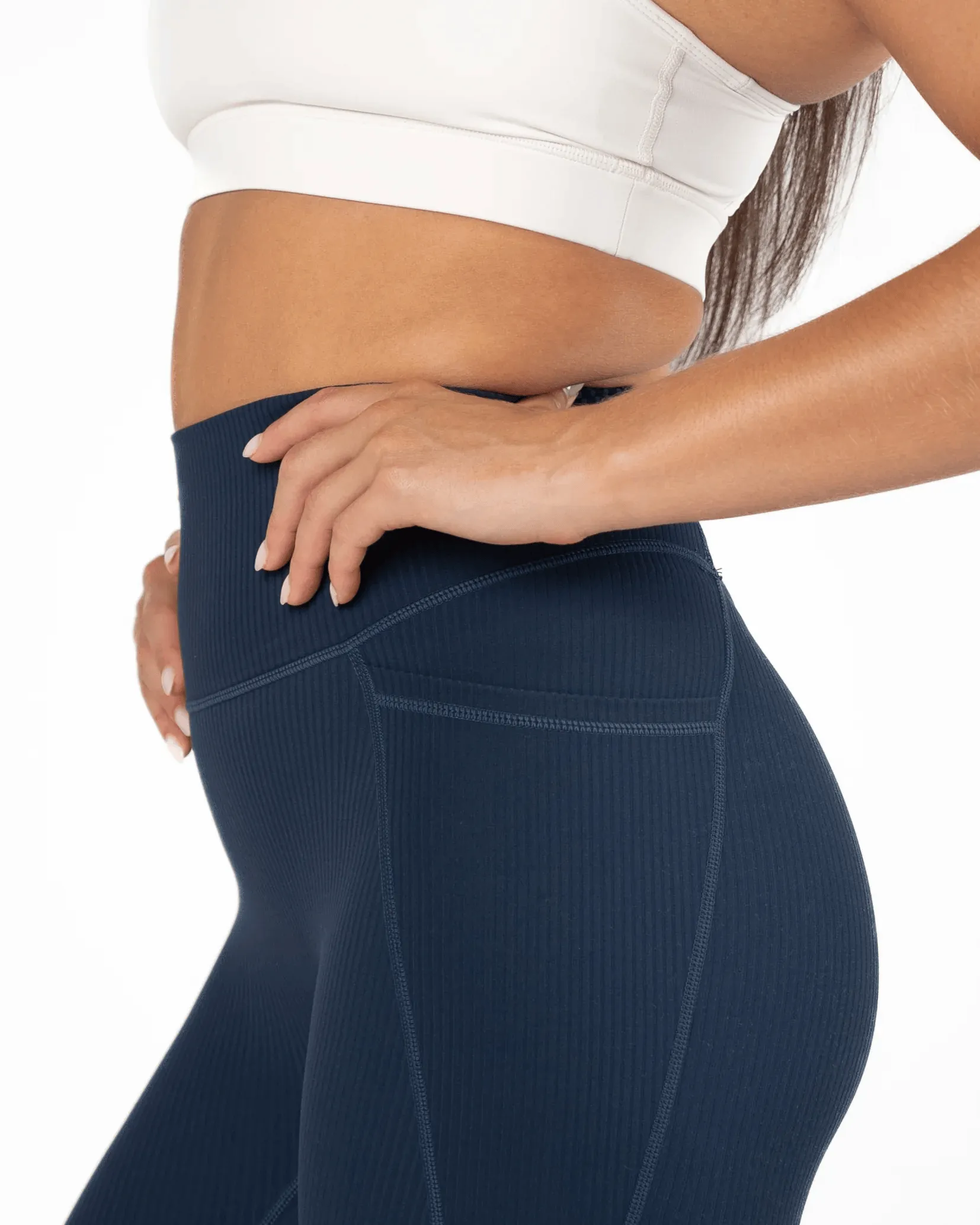
Nylon-spandex leggings are known for feeling incredibly soft while still offering plenty of stretch. Nylon feels smooth against the skin, and spandex adds the flexibility needed for a snug, supportive fit. Our Ribbed Fabric takes advantage of both, creating a lightweight, breathable option that works especially well for warm weather or sweaty workouts.
How Polyester-Spandex Blends Perform
Polyester-spandex blends are true all-around performers. They wick moisture efficiently, keep their shape, and hold their color over time. If you’re looking for a more compressive feel, our Lux Fabric is a polyester-spandex blend designed for higher support and quick-drying performance—great for tougher workouts or long days on the go.
Advancements in fabric technology continue to improve how these blends handle moisture, helping sweat evaporate faster and reducing friction that can lead to irritation during movement.
Choosing the Best Legging Material for Your Activity
The best leggings are the ones that match how you actually move. Pairing the right fabric with the right activity makes all the difference.
Ideal Fabrics for Running and HIIT
For running, HIIT, and other high-intensity workouts, synthetic blends—especially polyester-spandex—tend to perform best. They’re durable, supportive, and designed to handle sweat. Styles like our Lux High-Waisted Leggings offer compression that many athletes appreciate during higher-impact movement.
Materials Suited for Yoga and Lounging
Yoga, Pilates, and lounging call for softer, more flexible fabrics. Cotton, modal, bamboo, or our ultra-soft Skin Fabric provides that barely-there feel while still allowing for full range of motion. These fabrics are breathable and comfortable for slower-paced activities.
Natural Fabrics vs. Performance Synthetics
You’ll often see natural fabrics like cotton, modal, or bamboo mentioned in legging guides—and for good reason. These materials can feel incredibly soft and breathable, making them appealing for lounging, casual wear, or very low-impact movement.
That said, natural fabrics generally aren’t built for sweat-heavy workouts or long-term durability. They tend to absorb moisture rather than wick it away and can lose shape more quickly with frequent wear and washing.
That’s why Senita Athletics focuses on performance-driven fabrics. Polyester, nylon, and spandex blends allow us to design leggings that offer consistent stretch, reliable support, sweat management, and squat-proof coverage—without sacrificing comfort. For athletes and everyday movers alike, these materials simply perform better when movement gets real.

Care and Maintenance for Longevity
A little care goes a long way when it comes to keeping your leggings looking and feeling great.
Best Practices for Synthetic Fabrics
Wash synthetic leggings in cold water and skip fabric softener, which can coat the fibers and interfere with moisture-wicking. Air drying helps maintain stretch and shape. Technical fabrics are engineered with specific structures that support airflow and sweat management, and proper care helps preserve those features. Want to see what’s new? Check out our new arrivals.
Fabric Comparison: Senita Athletics Legging Materials at a Glance
| Fabric | Fabric Blend | What It Feels Like | Best For |
|---|---|---|---|
| Lux Fabric | Polyester / Spandex | Cool to the touch with supportive compression | High-intensity workouts, running, training days |
| Skin Fabric | Polyester / Spandex | Ultra-soft, second-skin feel with 4-way stretch | Yoga, Pilates, lounging, all-day comfort |
| Ribbed Fabric | Nylon / Spandex | Smooth with subtle texture and supportive hold | Studio workouts, strength training, everyday wear |
| Seamless Fabric | Polyester / Nylon / Spandex | Soft, stretchy, and barely-there with no seams | Low- to medium-impact workouts, comfort-focused movement |
Designed with Real Movement in Mind
At Senita Athletics, fabric choice isn’t an afterthought. It’s the foundation of every piece we design. Our legging fabrics are developed through extensive wear testing, customer feedback, and performance-driven design standards used across our entire athletic collection. From squat-proof coverage to moisture-wicking comfort, every detail is tested in real movement by real women.
When you choose Senita, you’re choosing leggings designed to perform the way you actually move—workout after workout, wash after wash. Ready to find the fabric that fits your routine? Shop All Senita Athletics and discover leggings built to support you every step of the way.
Frequently Asked Questions
What is the best legging material for heavy sweating?
Synthetic blends like polyester-spandex, including our Lux Fabric, are great for heavy sweating because they wick moisture and dry quickly.
How can I tell if leggings are truly squat-proof?
Squat-proof leggings stay opaque when stretched. Try a deep lunge in front of a mirror—high-density blends like those in our bottoms collection are tested for this.
Why should I avoid fabric softener on workout leggings?
Fabric softener coats the fibers, blocking the tiny channels that help fabrics breathe and move sweat away from your skin.
Which legging material is best for sensitive skin?
Organic cotton and modal are often favorites for sensitive skin thanks to their softness and breathability.
What is the difference between compression leggings and standard leggings?
Compression leggings offer a snug, supportive fit for workouts, while softer styles like those in our Skin Collection focus on comfort and flexibility.
Do sustainable leggings perform like traditional ones?
Yes—recycled polyester performs very similarly to virgin polyester, offering durability and moisture management with a smaller environmental footprint.