


Why You Need the Right Women's Running Shorts: Enhance Comfort and Performance
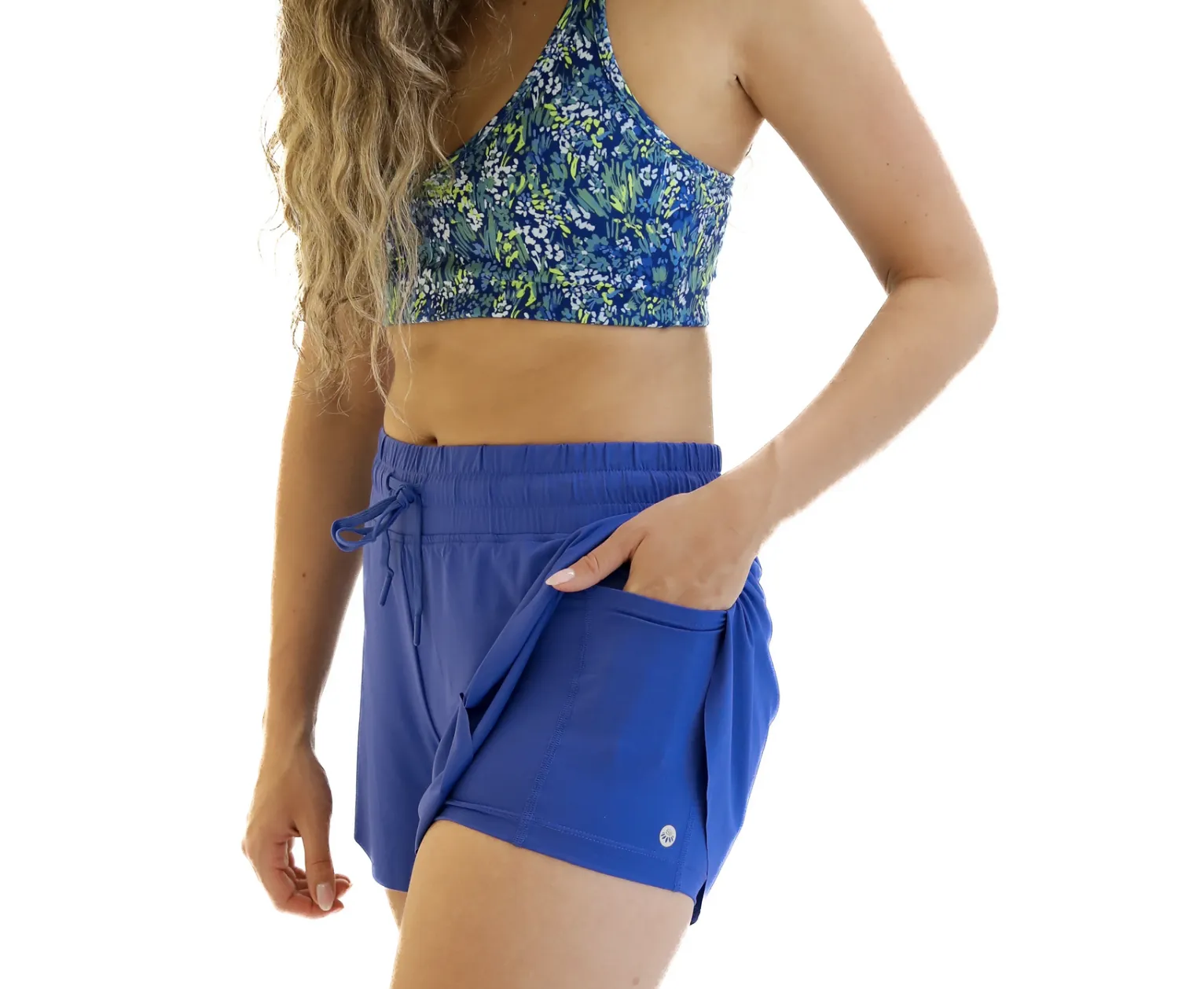
Finding the perfect pair of women's running shorts shouldn't feel like a secondary workout. Most of us have experienced the frustration of a hem that constantly rolls up, an uncomfortable waistband that digs in by mile two, or the pain of inner-thigh chafing that lingers long after the run is over. These common gear failures do more than just cause physical discomfort; they steal your focus and derail your momentum.
At Senita Athletics, we have been committed to solving these specific frustrations since our founding in 2015. This guide explores the engineering behind the best materials, the different styles suited for your specific training, and the functional features that make a pair of women's shorts for running truly reliable.
The Science of Performance: Best Materials for Running
The fabric used in your running shorts serves as the primary interface between your body and the environment. High-quality textiles do the heavy lifting of managing heat and sweat so your muscles can focus on the pavement.
Moisture-Wicking Technology
By utilizing advanced polyester or nylon blends, our gear maintains a dry microclimate next to your skin through every mile. These engineered fibers facilitate rapid evaporation rather than absorbing moisture like traditional cotton, which significantly improves your overall thermo-physiological comfort. When your clothing stays dry and light, you avoid the moisture accumulation that often leads to painful chafing.
Breathability and Weight
Lightweight materials reduce the physical burden during long-distance efforts. Breathable weaves allow for consistent airflow, which is the most effective way to regulate your body temperature during high-intensity intervals. Our Lux Fabric is a favorite for these moments, as it offers a cool-to-the-touch feel and rapid-dry capabilities, making them some of the best workout shorts for women who prioritize speed and temperature control.
Matching Your Shorts to Your Running Style
Not every run requires the same level of compression or coverage. Your training schedule likely includes a mix of speed work, long slow distance, and perhaps some recovery movement, all of which benefit from specific designs.
The Benefits of Compression
Compression shorts are engineered to fit like a second skin. They provide consistent pressure to the muscle groups in your legs, which can help stabilize tissue and reduce the muscle vibration that contributes to fatigue. Many runners find that a snug fit helps them maintain better form during the final miles of a race. Plus, the tight fit of compression shorts virtually eliminates the risk of inner-thigh chafing, making them a top choice for endurance athletes.
Loose Fit and Lined Options
For those who prefer a more relaxed silhouette, loose-fit shorts offer maximum ventilation. These designs often feature side slits to ensure your stride is never restricted by the fabric. Most high-performance loose shorts include built-in liners. These interior briefs provide the necessary support and coverage, allowing you to move with confidence without needing extra layers.
Features That Maximize Functionality
In the world of activewear, the smallest details often yield the greatest benefits. When you are browsing for your next pair of women's athletic shorts, look for these specific functional elements.
Storage and Security
A running short is only as good as its ability to hold your essentials. We prioritize deep, secure pockets that are positioned to prevent your phone or keys from bouncing while you move. Pockets integrated into the waistband or the side of a compression liner provide the most stability for heavier items.
Waistband Construction
A wide, flat waistband stays anchored without digging into your midsection. This ensures your shorts stay in place regardless of the terrain, preventing the constant need to readjust while you are in the zone. Many athletes find that high-waisted athletic shorts offer the best solution for this, as the higher rise provides extra security and core support through every stride. Choosing a pair of high-waisted workout shorts means you can focus entirely on your pace, knowing your gear will stay perfectly positioned from your first mile to your last.
The Importance of Mobility
Your gear should never be a barrier to your range of motion. A well-fitting pair of shorts facilitates a full stride and easy transitions. We utilize flatlock seams in our designs to ensure that even during repetitive motion, the interior of the garment remains smooth against your skin.
The Quick Fit Check
To ensure your best workout shorts actually perform, perform this 30-second test before your next run:
- The High Knee: Drive your knee toward your chest. If the leg opening of a loose short catches on your quad, you need a style with a higher side slit or a more generous scalloped hem to allow for a full stride.
- The Reach: Reach both arms high toward the sky. If your high waisted workout shorts slide down more than an inch or the waistband rolls over, the tension is too low. A proper high-rise fit should stay anchored against your narrowest part, even during vertical movement.
- The Squat: Drop into a squat to check "squat-proof" density. If the fabric thins or becomes sheer at the glutes, the knit density is too low for high-performance training. This is also the time to check the liner; if it feels restrictive or "cuts in" during a squat, it will likely cause chafing during a run.
Adapting to the Environment
Weather plays a massive role in how your gear performs. Selecting your apparel based on the climate is the best way to stay consistent with your training year-round.
Hot Weather Strategies
During the summer, lightweight and highly breathable shorts are essential. Look for designs that feature mesh panels or laser-cut ventilation zones. These areas are strategically placed where the body releases the most heat, such as the side panels or the back of the waist. This focus on targeted airflow ensures you stay cool and prevents the fabric from clinging to your skin, even when the humidity is high.
Handling Changing Climates
Fabric technology has evolved to protect your body temperature in shifting environments. For rainy days, look for water-resistant finishes that prevent the fabric from absorbing moisture and becoming heavy. In cooler temperatures, layering a lightweight pair of shorts over our athletic leggings provides an extra wind barrier without sacrificing the mobility you need for a fast-paced run.
Quality Without the Boutique Price Tag
We understand that activewear is an investment in your health. At Senita Athletics, our mission is to provide functional, durable, and stylish exercise apparel that is accessible to every woman. We wear-test every design to ensure it stands up to the rigors of the trail and the demands of a busy daily routine. You deserve gear that works as hard as you do.
Shop All Women's Running Shorts
Frequently Asked Questions
How do I prevent my running shorts from riding up?
Riding up is usually caused by a fit that is too tight in the thighs or a waistband that is too loose. Choosing a pair with a slightly longer inseam or a high-quality silicone grip on the hem can help keep them in place. Many runners find that compression styles stay anchored better than loose-fit styles during high-speed sprints.
Is it better to run in compression or loose shorts?
This choice depends on your preference for feel and the type of run. Compression is excellent for preventing chafing and providing muscle support during long runs. Loose shorts offer more airflow and a traditional athletic look, which many people prefer for casual jogs or cross-training.
Why do some running shorts have liners?
Liners are designed to provide moisture management and support so you do not have to wear separate underwear. This reduces the number of layers that can cause friction and helps keep the shorts breathable.
How should running shorts fit?
The waistband should be snug enough to stay in place without pinching. You should have a full range of motion in your hips and legs. If you feel any restriction when you lift your knee or take a long stride, you may need to size up or look for a style with more stretch.
How do I care for my technical running shorts?
To preserve the moisture-wicking properties and elasticity, wash your shorts in cold water and avoid fabric softeners. Always hang them to dry, as the high heat from a dryer can damage the performance fibers and lead to shrinkage.