


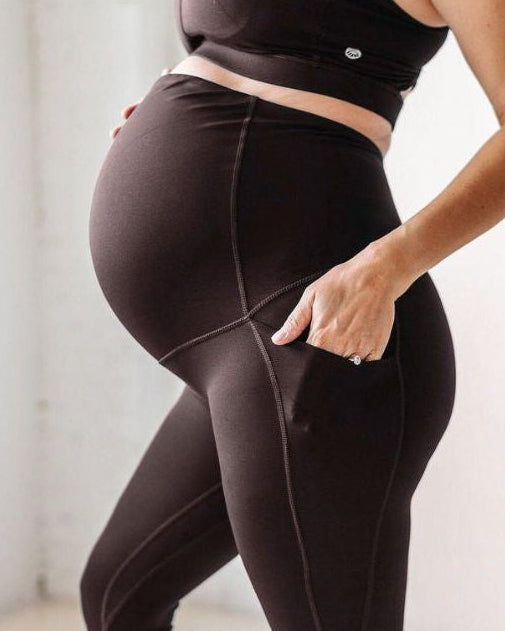

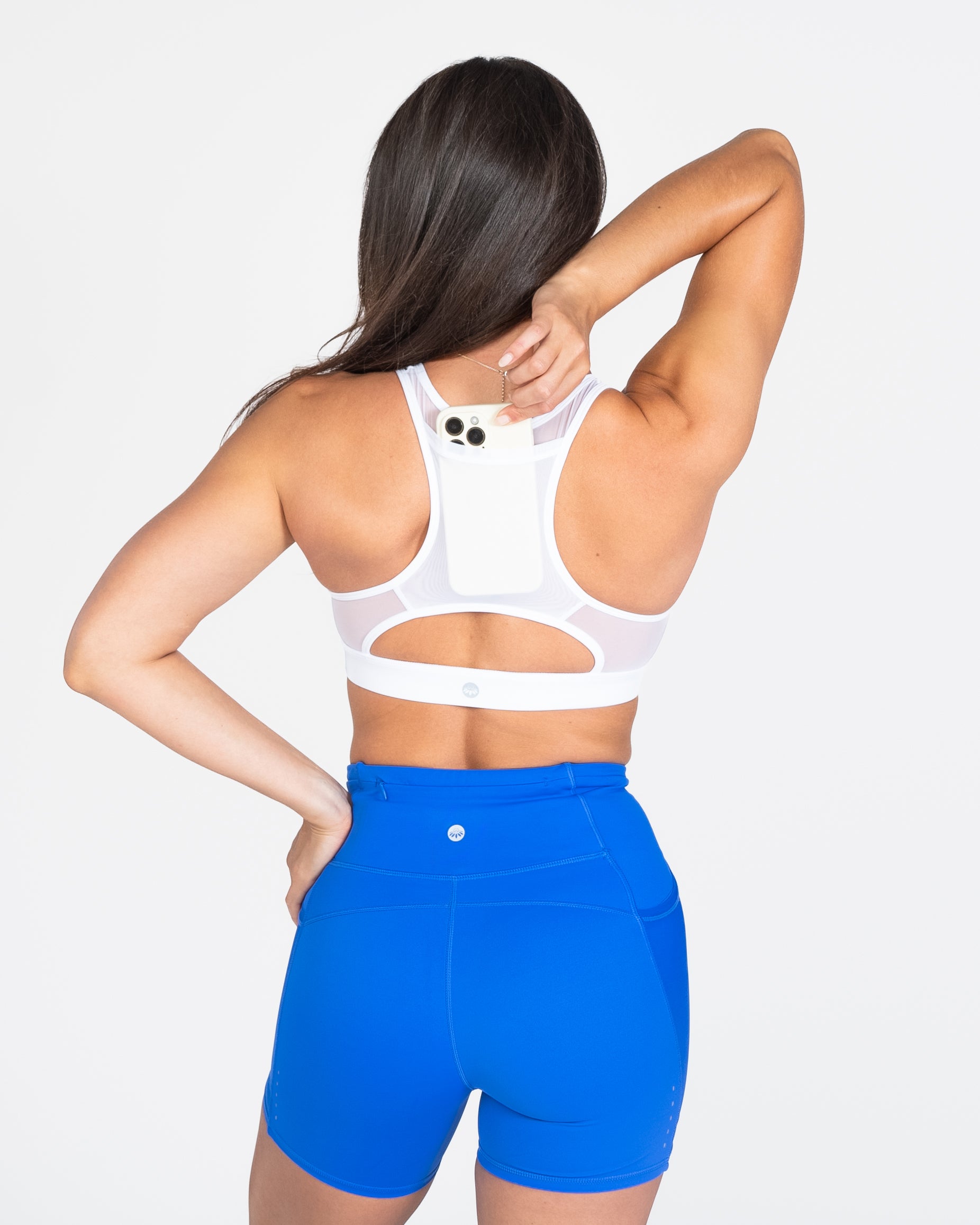

High-quality athletic wear is an investment in your fitness and your comfort. Whether you are reaching for your favorite pair of athletic leggings for a heavy lifting session or a quick coffee run, keeping them in top condition is a big priority. But let's be real—between outdoor workouts and busy daily life, stains are pretty much inevitable.
Stains on technical fabrics can be more than just an eyesore. If left untreated, they can actually compromise the features that make your gear great, like moisture-wicking and compression. This guide covers effective, fabric-safe ways to tackle stains while protecting the integrity of your bottoms, so they stay in your rotation for a long time.
Common Stains and Their Impact on Technical Fabrics
Athletic wear faces different challenges than those of your standard cotton t-shirt. Because fabrics like those at Senita Athletics are designed to be breathable and stretchy, they interact with contaminants in a specific way.
The Deal with Sweat and Oil
Sweat and body oils are the most frequent stains your activewear encounters. Sweat contains salts and minerals that can cause discoloration and stubborn odors if they aren't washed out promptly.
While a sweat stain eventually dries, oil-based stains from sunscreen, moisturizers, or post-shower body oils are much sneakier. These oils often sit in the fabric and attract dust, making the mark look worse over time. Even more importantly, these trapped oils are often what cause that specific "gym smell" to linger even after a wash, as they break down the synthetic fibers and reduce the fabric's elasticity. This leads to leggings that lose their snap or sag at the knees and waistband.
Outdoor Challenges: Grass and Salt
If you’re a fan of outdoor boot camps or trail runs, grass stains and road salt are common culprits. Grass stains are dye-based and can become permanent if they are set by heat, like a hot water wash or a trip through the dryer.

The Golden Rules of Legging Maintenance
Before we get into specific stains, there are three "nevers" for activewear care that every athlete should know:
- Never Use Hot Water: High temperatures set stains into synthetic fibers and can damage the spandex or elastane that provides your compression.
- Never Use Fabric Softener: Softeners leave a waxy residue on the fabric surface. This film clogs the pores of the fabric, which kills its moisture-wicking powers and traps odors inside. Pro-tip: If you’ve already been using a softener, you can "reset" your leggings by washing them with a bit of white vinegar to strip away that waxy buildup.
- Never Use Bleach: Bleach is just too harsh for nylon and spandex. It can turn white leggings yellow and eat away at the elastic fibers, causing them to break.
How to Remove Stains Safely and Effectively
Treating stains on shorts, leggings, and other athletic gear requires a gentle touch. Aggressive scrubbing can cause "pilling" or thinning of the material.
Sweat Stains and Odor
- Pre-soak: Submerge the leggings in cold water mixed with a small amount of mild detergent for about 30 minutes.
- Gentle Scrubbing: Use a soft cloth to gently rub the area. Avoid stiff brushes that might snag the technical knit.
- Cold Wash: Run them through a cold, gentle cycle with a detergent formulated for activewear.
Oil, Grease, and Lotion
- Dish Soap Method: For oil-based marks from skin products or food, a small drop of grease-cutting dish soap can be effective. Gently work it into the dry fabric before washing in cold water.

Best Cleaning Agents by Stain Type
| Stain Type | Recommended Agent | Effectiveness |
|---|---|---|
| Sweat & Salt | Mild/Activewear Detergent | High |
| Oil & Lotions | Grease-cutting Dish Soap | Medium to High |
| Grass & Dirt | Enzyme-Based Stain Spray | High |
Protecting the Quality of Nylon and Spandex
Proper washing is only half the battle. How you dry and store your gear matters just as much for its long-term life.
Washing Practices
It’s a good idea to wash your technical gear separately from "rough" items like denim or towels. Zippers and buttons from other clothes can cause snags and tears during the wash. Using a gentle cycle also helps minimize wear and tear on the fibers.
Drying and Storage
The dryer is honestly the biggest enemy of athletic leggings. The high heat can "cook" the elastic, making it brittle and prone to snapping. Always air dry your leggings by laying them flat or hanging them in a spot with good airflow. For storage, choose a cool, dry drawer to prevent any moisture buildup.
Practical Tips to Prevent Stains During Workouts
Prevention is the easiest way to keep your activewear looking fresh.
- Choose Performance Fabrics: Moisture-wicking materials move sweat to the surface where it evaporates, rather than letting it sit in the fibers.
- Quick Action: If you spill your post-workout smoothie, address it immediately. Keeping a stain remover pen in your gym bag is a lifesaver for on-the-go maintenance.
- Post-Workout Routine: Don't let sweaty clothes sit in a gym bag for days. If you can't wash them immediately, hang them up to dry so bacteria and salt don't have time to set in.

Keep Your Athletic Gear Moving with You
Your athletic leggings are designed to work as hard as you do. By sticking to cold water, avoiding the dryer, and using the right cleaning agents, you can preserve the compression and comfort that make your favorite pair so essential. Taking a few extra minutes for proper care ensures your gear stays fresh, clean, and ready for your next challenge.
Frequently Asked Questions
Can I use "activewear" specific detergents?
You can and you should!. These are often better at breaking down body oils and sweat salts at lower temperatures than standard household detergents.
Why are my leggings pilling after I treated a stain?
Pilling is usually caused by too much friction. If you scrubbed the fabric with a stiff brush or a rough cloth, the fibers can break and tangle into small balls. Always use a soft cloth and a gentle circular motion.
Is it okay to use vinegar for odors?
Many women in the fitness community use a half-cup of white vinegar in the rinse cycle as a natural deodorizer. It helps break down detergent buildup without damaging the elastic.
What should I do if a stain has already been through the dryer?
It is much harder to remove a "set" stain, but it's worth a try. Try a long pre-soak in an enzyme-based cleaner and repeat the cold wash process. Just don't put them back in the dryer until you're sure the stain is gone!
_________________________________
About the Authors: Maddie and Jenna
Sisters, moms, and lifelong athletes, Maddie and Jenna founded Senita Athletics in 2015 with a scrappy determination to make high-performance activewear affordable for every woman. Their expertise is rooted in experience; both spent four years competing in Division I collegiate cross country and track and field, giving them a deep understanding of how gear needs to perform under pressure.
From packing orders during naptime to navigating the global sale and eventual repurchase of the brand in 2025, their journey has always been fueled by one thing: Sisterhood. Today, they are back at the helm, personally ensuring that every stitch supports the busy, active lives of the community they love.